Table des matières
Principaux points à retenir :
- A Solar Tuk Tuk uses onboard photovoltaic panels to supplement the main battery, while a standard electric model depends primarily on plug-in charging.
- Solar charging performance varies with panel output, sunlight intensity, parking conditions, temperature, shading, and daily energy consumption.
- A solar-assisted model can be suitable for tourism, resorts, communities, outdoor transport projects, and markets with abundant sunshine.
- A standard Electric Tuk Tuk may be more practical for high-mileage fleets with predictable depot charging.
- Battery capacity, motor power, passenger load, route gradient, and local regulations are more important than the solar panel alone.
- Importers should request measurable solar-system data rather than relying on broad claims about “free charging” or “unlimited range.”
- The best choice should be based on the vehicle’s complete operating system, not a single specification.
Introduction
Le Solar Tuk Tuk is attracting attention from importers, passenger transport operators, tourism businesses, resort managers, electric vehicle distributors, and private-label mobility brands.
Its most recognizable feature is the photovoltaic panel installed on the vehicle roof. This panel converts sunlight into electricity that can supplement the vehicle’s main battery while the tricycle is moving or parked outdoors.
However, solar-assisted charging does not mean that every vehicle can operate entirely without conventional charging. Available solar energy depends on panel size, sunlight exposure, system efficiency, route conditions, battery capacity, vehicle weight, and operating time.
For buyers, the important question is therefore not simply, “Is solar better?”
A more useful question is:
“Will a Solar Tuk Tuk provide measurable operational value in my market and application?”
This comparison explains how solar-assisted and standard electric tuk tuks differ, where each type performs best, and what buyers should examine before placing a wholesale or OEM order.
For a broader overview of motors, batteries, range, vehicle structures, and supplier evaluation, buyers can also review the planned internal resource Electric Tuk Tuk Guide 2026.
Solar Tuk Tuk vs Electric Tuk Tuk at a Glance
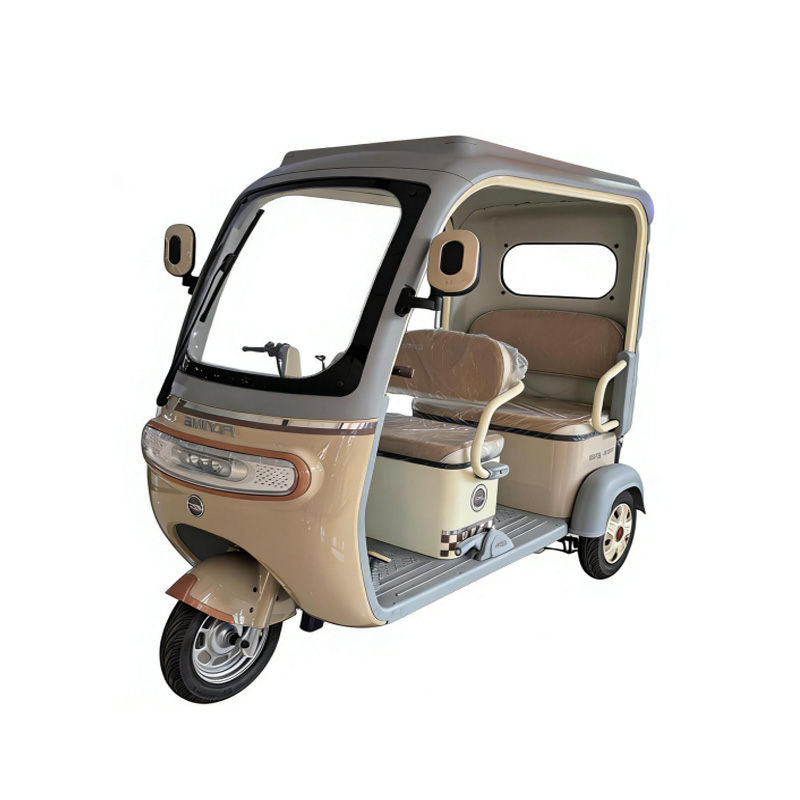
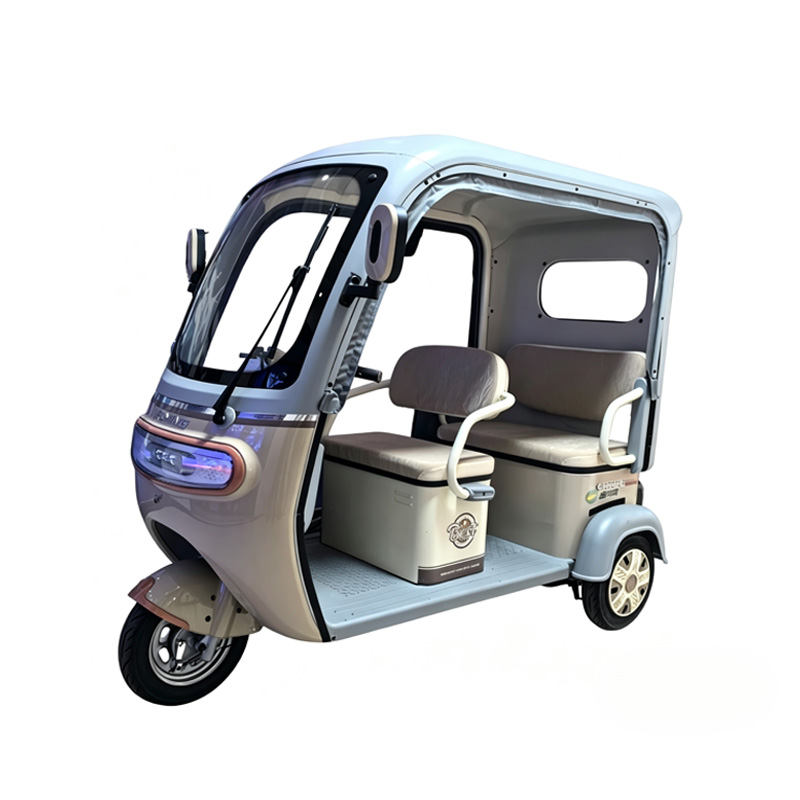
Both vehicle types use an electric motor, battery, controller, charger, wiring system, and three-wheel chassis. The main difference is that the solar model includes an onboard photovoltaic system that provides an additional source of electrical energy.
| Comparison Point | Solar Tuk Tuk | Tuk Tuk électrique standard |
|---|---|---|
| Main energy source | Battery with plug-in charging | Battery with plug-in charging |
| Additional energy source | Onboard solar panel | Usually none |
| Dependence on sunlight | Solar benefit varies with conditions | No direct dependence |
| Charging while parked outdoors | Possible in suitable sunlight | Requires external charger |
| Charging while driving | Solar supplementation may be possible | Not normally available |
| Vehicle roof | Supports photovoltaic panel | Conventional roof or canopy |
| Initial system complexity | Supérieur | Inférieur |
| Maintenance requirements | Includes inspection of solar components | Focuses on conventional electric system |
| Best operating environment | Sunny outdoor applications | Predictable routes with reliable charging |
| Main buyer concern | Actual solar contribution | Battery capacity and charging schedule |
The Similarities
Both systems still depend on a correctly matched motor, controller, battery, charger, brakes, suspension, tires, and frame.
A poorly configured solar vehicle will not automatically outperform a well-designed standard electric model. Vehicle quality, operating load, route conditions, and component compatibility remain essential.
The Main Difference
A standard electric vehicle receives nearly all of its stored energy from an external charger. A solar-assisted vehicle can collect additional energy during suitable daylight conditions.
The solar panel should therefore be viewed as part of the charging strategy rather than as a replacement for every other charging method.
How Does a Solar Tuk Tuk Work?
A Solar Tuk Tuk combines an electric drivetrain with a photovoltaic energy system.
Sunlight reaches the solar cells, which convert part of the available solar energy into direct-current electricity. This electrical input passes through a control system before being delivered to the battery or vehicle electrical system.
The National Laboratory of the Rockies explains that photovoltaic technology can provide auxiliary vehicle power and support battery trickle charging. This is a useful way to understand the role of a roof-mounted solar panel: it can contribute energy, but the amount depends on the available panel area and operating conditions. (nrel.gov)
Solar Panel
The solar panel is the most visible part of the system. Its rated output is normally stated under standardized laboratory conditions.
Actual output may be lower because of:
- Cloud cover
- Partial shading
- Dust or dirt
- High panel temperature
- Incorrect panel angle
- Wiring losses
- Controller losses
- Vehicle orientation
- Short daylight hours
- Panel aging
A buyer should never evaluate solar performance by panel appearance alone.
Solar Charge Controller
The solar charge controller regulates the electrical input from the photovoltaic panel.
It helps manage voltage and current before energy reaches the battery. The controller should be compatible with the battery voltage, chemistry, charging requirements, and protection system.
Batterie Pack
The battery remains the main energy-storage component. It powers the motor when the driver accelerates and supplies electricity to lights, displays, and other accessories.
Solar input can reduce part of the energy that must later come from plug-in charging, but the actual reduction must be calculated from measured energy production.
Electric Motor and Drive Controller
The motor converts electrical energy into mechanical movement. The drive controller manages power delivery according to throttle input, vehicle speed, load, and protection settings.
Motor power should be matched to total vehicle weight, passenger capacity, gradient, tire size, intended speed, and expected duty cycle.
What Does Solar-Assisted Really Mean?
Solar-assisted means the panel supports the main battery system by adding some energy under suitable conditions.
It does not automatically mean:
- Unlimited operating range
- Continuous full-speed operation
- No need for a charger
- Full charging in a few hours
- Identical performance in every country
- No battery replacement
- No energy cost
- No maintenance
Importers should ask suppliers to define exactly what “solar-assisted” means for the model being offered.
How Much Energy Can a Solar Tuk Tuk Generate?
The amount of solar energy available depends on several connected variables.
A simplified estimate can be made with the following relationship:
Daily solar energy = panel power × effective sunlight hours × system efficiency
For example, a panel with a stated output of 300 watts does not necessarily produce 300 watts throughout the entire day. Output changes continuously with sunlight intensity, angle, temperature, shading, and weather.
Panel Power
A larger rated panel may generate more energy under the same conditions, but roof size limits the area available on a compact passenger tricycle.
Panel weight, structural support, wind resistance, waterproofing, and vehicle stability must also be considered.
Effective Sunlight Hours
Effective sunlight hours are not the same as the total number of daylight hours.
A location may receive twelve hours of daylight but only a smaller number of equivalent full-sun hours. Morning light, evening light, cloud cover, and seasonal changes reduce the amount of usable energy.
System Efficiency
Energy is lost as it passes through the panel, wiring, solar controller, battery, drive controller, and motor.
A professional evaluation should account for these losses instead of multiplying the maximum panel rating by the total daylight period.
Vehicle Energy Consumption
A heavily loaded vehicle climbing hills may consume much more energy than an unloaded vehicle traveling slowly on a flat road.
Solar production must therefore be compared with the vehicle’s actual energy consumption per kilometer. Without this information, a claim about additional range has little practical value.
Solar Tuk Tuk Range vs Standard Electric Tuk Tuk Range
A Solar Tuk Tuk does not necessarily have a longer base battery range than a standard model.
If both vehicles use the same battery, motor, controller, tires, weight, and route, their initial stored battery energy may be similar. The solar model gains an advantage only when the panel generates enough usable energy during operation or parking.
Base Battery Range
Base range refers to the distance available from the charged battery before meaningful solar input is considered.
It is affected by:
- Tension batterie
- Battery amp-hour capacity
- Usable depth of discharge
- Efficacité moteur
- Controller efficiency
- Passenger load
- Road gradient
- Pression des pneus
- Driving speed
- Fréquence d'arrêt
- Ambient temperature
Additional Solar Range
Additional solar range is the distance supported by energy produced through the photovoltaic system.
This value should be measured over a stated period and under stated conditions. A supplier should explain panel output, solar exposure, route type, payload, speed, and weather conditions.
Parked Charging
A vehicle parked outdoors for several hours may collect more solar energy than one operating continuously under shade or between tall buildings.
For resorts, tourist attractions, parks, communities, and outdoor facilities, scheduled parking can become part of the charging strategy.
Real-World Range Testing
Buyers should test the vehicle with:
- Normal passenger load
- Representative road gradients
- Real operating speeds
- Typical stop frequency
- Local weather conditions
- Accessories switched on
- A documented starting battery level
- A documented ending battery level
Testing should compare days with different sunlight conditions. This makes it easier to separate battery performance from solar contribution.
Where a Solar Tuk Tuk Makes the Most Sense
Solar-assisted vehicles are most valuable when their operating environment allows regular sunlight exposure and when their routes are compatible with moderate energy consumption.
Tourisme et tourisme
Tourist sites often operate vehicles outdoors during daylight hours. Routes may be short, speeds may be moderate, and vehicles may spend time waiting for passengers.
These conditions can allow the solar panel to continue producing electricity between trips. The visible solar roof can also support sustainability-focused branding for parks, resorts, ecological destinations, and scenic attractions.
Resorts and Hotels
Hotels may use passenger tricycles to connect guest rooms, entrances, restaurants, beaches, activity areas, and parking facilities.
A Solar Tuk Tuk can be attractive where vehicles operate slowly and are frequently parked outdoors. Quiet operation may also be valuable in hospitality environments.
Gated Communities
Residential communities can use compact electric passenger vehicles for internal transportation, property services, visitor transfers, and short-distance mobility.
Solar assistance may supplement daytime charging when vehicles are stationed outdoors between trips.
Campuses and Industrial Parks
Large private sites may use electric tricycles for internal staff travel, inspection work, security patrols, or visitor transport.
The suitability of a solar model depends on whether the vehicle operates outdoors and whether the routes remain within its load and range capabilities.
Public-Service Projects
Solar-assisted passenger vehicles can be considered for community mobility, rural transport trials, public parks, and demonstration projects.
The United Nations Environment Programme identifies electric two- and three-wheelers as an important part of transport electrification, particularly in developing and transitional markets. (unep.org)
Sunny and Remote Locations
A solar panel may provide useful supplementary energy where electricity access is limited or unreliable.
However, buyers should not assume that vehicle-mounted solar power can support every route independently. Grid chargers, off-grid stationary solar systems, battery-swapping arrangements, or backup power may still be required.
When a Standard Electric Tuk Tuk May Be Better
A solar system adds value only when it provides enough usable energy to justify its additional cost, weight, complexity, and maintenance requirements.
High-Mileage Fleet Operations
A commercial fleet operating continuously throughout the day may consume energy faster than a roof-mounted panel can replace it.
In this situation, larger batteries, scheduled depot charging, fast turnaround procedures, or battery swapping may have a greater operational effect.
Nighttime Transportation
Vehicles used mainly in the evening or at night receive limited direct solar input during their active period.
A standard vehicle with reliable overnight charging may therefore provide a simpler solution.
Indoor Facilities
Vehicles operating inside warehouses, enclosed markets, factories, exhibition centers, or covered transport areas receive little useful sunlight.
Installing a photovoltaic roof in these conditions may add complexity without producing meaningful energy.
Regions With Limited Sunshine
Frequent rain, long cloudy seasons, short winter days, and persistent shade can reduce solar energy production.
The buyer should compare annual sunlight conditions rather than evaluating performance during the sunniest month.
Fleets With Reliable Depot Charging
A fleet that returns to the same depot after every shift can use controlled charging schedules.
Centralized charging also simplifies energy measurement, battery inspection, maintenance, and driver management. In such cases, a standard Electric Tuk Tuk may be easier to manage.
Solar Tuk Tuk Battery Options
The battery determines how much energy can be stored, while the solar panel determines how much additional energy may be collected.
These two components must be evaluated together.
Batterie au plomb
Lead-acid batteries are widely available in many markets and may suit projects that prioritize familiar maintenance and replacement supply.
Their higher weight can affect vehicle efficiency and solar contribution. A heavy battery system requires more energy to move, especially on routes with repeated acceleration.
Lithium Batterie
Lithium batteries generally offer higher energy density and lower weight.
They require a compatible charger, battery management system, appropriate enclosure, correct storage procedures, and verified transport documentation.
Tension de la batterie
Voltage must match the motor, controller, charger, solar controller, dashboard, and auxiliary electrical system.
A higher voltage does not automatically produce a longer range. Buyers must also compare amp-hour capacity and usable battery energy.
Battery Energy Comparison
| Configuration de la batterie | Nominal Energy | General Interpretation |
| 60V20Ah | 1,200 Wh | Suitable for moderate routes when correctly configured |
| 60V 32Ah | 1,920 Wh | Provides greater nominal stored energy |
| 72V 20Ah | 1,440 Wh | Higher voltage but less nominal energy than 60V 32Ah |
| 72V 32Ah | 2,304 Wh | Higher nominal energy with greater system demand |
These figures represent nominal energy only. Actual usable energy depends on battery chemistry, discharge limits, temperature, cell condition, controller settings, and system losses.
Motor Power and Vehicle Performance
Motor selection should begin with the route and operating load.
A model carrying passengers on flat community roads may require a different system from one operating on steep tourist routes.
Rated Motor Power
Rated motor power represents the output the system is designed to sustain under specified conditions.
Buyers should distinguish rated power from short-duration peak power. A supplier quoting only peak power may create unrealistic expectations about hill climbing and continuous loaded operation.
Hill-Climbing Ability
Hill performance depends on more than motor wattage.
Important variables include:
- Motor torque
- Contrôleur actuel
- Battery voltage under load
- Poids du véhicule
- Passenger weight
- Diamètre de la roue
- Road gradient
- Climb duration
- Motor cooling
- Starting speed
A loaded hill test is more valuable than a motor-power claim.
Speed and Energy Consumption
Higher speed increases energy consumption and aerodynamic resistance.
For tourism, resorts, communities, and private sites, moderate speed may provide a better balance between safety, comfort, range, and solar contribution.
Solar Tuk Tuk Product Example
Hongtu Future currently offers the Solar Tuk Tuk – Flagship X1 within its passenger tricycle range.
This model uses a 650W sine-wave motor, a 60V electrical system, 20Ah or 32Ah battery options, a solar-assisted charging function, an intelligent dashboard, automotive-style front lighting, and 300-10 tubeless tires. These specifications belong to this particular model and should not be treated as universal Solar Tuk Tuk specifications.
Solar-Assisted Charging
The model is designed to collect solar energy while moving or parked outdoors.
Buyers should discuss expected solar contribution according to their destination market, average sunlight, route, passenger load, and operating schedule.
Passenger-Oriented Design
The enclosed front structure, roof, windshield, rear seating area, lighting, and compact dimensions are designed for short-distance passenger mobility.
Possible applications include communities, tourism areas, resorts, commercial sites, and local transport projects, subject to local regulations.
Configuration de la batterie
The available 60V 20Ah and 60V 32Ah options allow buyers to compare different nominal energy capacities.
The higher-capacity option can store more energy, but the correct choice should still be based on daily distance, payload, gradient, charging time, and reserve requirements.
Color and Branding Options
Two-tone body colors can help tourism operators, distributors, and private-label brands create a recognizable visual identity.
Color selection should be documented during sample approval to ensure consistency across mass-produced vehicles.
Buyers can also compare the wider Passenger Tricycle product range, which includes electric passenger tricycles, leisure models, mobility vehicles, standard electric tuk tuks, and solar-assisted configurations.
Solar Tuk Tuk vs Electric Tuk Tuk for Business Buyers
A commercial comparison should focus on total business value rather than one feature.
| Business Consideration | Solar Model May Be Better When | Standard Model May Be Better When |
| Operating environment | Vehicle receives regular sunlight | Vehicle operates indoors or at night |
| Daily mileage | Routes are short or moderate | Routes are long and continuous |
| Charging access | Electricity is limited or inconsistent | Reliable depot charging is available |
| Marketing value | Sustainability positioning matters | Functional simplicity matters more |
| Fleet management | Vehicles have outdoor waiting time | Vehicles follow fixed charging shifts |
| Climate | Strong, consistent sunshine | Frequent cloud, rain, or shade |
| Entretien | Solar-system inspection is available | Simpler electrical maintenance is preferred |
| Application | Tourism, resorts, communities | Taxi fleets, logistics, continuous operation |
Initial Purchase Cost
A solar-assisted model may include additional components such as the panel, solar controller, mounting structure, wiring, and protective hardware.
The buyer should compare the value of expected energy production with the additional system cost.
Operating Energy
Solar input may reduce the amount of grid electricity required, but the reduction should be measured rather than assumed.
Fleet operators can install energy meters to compare plug-in electricity use between solar-assisted and standard vehicles over similar routes.
Entretien
Solar panels have no conventional moving parts, but the complete system still requires inspection.
Maintenance may include:
- Cleaning the panel
- Inspecting mounting brackets
- Checking seals and waterproofing
- Examining connectors
- Testing controller operation
- Inspecting wiring
- Monitoring battery condition
- Repairing panel damage
Downtime
Vehicle downtime can cost more than routine energy consumption in a commercial fleet.
Spare controllers, chargers, switches, brake components, tires, electrical connectors, and key solar components should be available before vehicles enter service.
How to Calculate Total Operating Cost
The initial vehicle quotation represents only one part of the investment.
A more complete calculation should include:
- Vehicle purchase
- Personnalisation
- Certification
- International transportation
- Import duties
- Local registration
- Charging infrastructure
- Electricity
- Remplacement de la batterie
- Pneus
- Composants de frein
- Routine inspection
- Pièces de rechange
- Warranty administration
- Vehicle downtime
- End-of-life battery handling
The World Bank has identified high-use electric two- and three-wheelers as promising entry points for electric mobility, particularly where lower operating costs and last-mile transportation create measurable economic value. (worldbank.org)
Cost per Kilometer
Fleet buyers can calculate:
Cost per kilometer = total operating costs during the period ÷ total distance traveled
This calculation should be made separately for each vehicle configuration.
Energy Measurement
Record how much electricity enters the battery through plug-in charging and estimate or measure how much comes from the solar system.
Without separate measurement, it is difficult to know whether solar charging is creating meaningful savings.
Battery Replacement
Battery replacement can be one of the largest lifecycle expenses.
A lower-quality battery may reduce the initial quotation but increase downtime and replacement frequency. Buyers should request cell details, cycle-test conditions, warranty limits, and battery management information.
How to Evaluate a Solar Tuk Tuk Supplier
The supplier must understand electric drivetrains, passenger tricycles, photovoltaic integration, battery systems, manufacturing, and export documentation.
Request a Complete Specification
The specification should include:
- Overall vehicle dimensions
- Poids du véhicule
- Charge utile nominale
- Passenger capacity
- Motor rated power
- Controller rating
- Tension batterie
- Capacité de la batterie
- Chimie de la batterie
- Charger input and output
- Solar panel rated power
- Solar controller specifications
- Wiring protection
- Brake types
- Tire specifications
- Suspension
- Éclairage
- Tableau de bord
- Vitesse
- Plage de conditions de test
- Gradeability test conditions
Ask for Solar Performance Data
Useful solar information includes:
- Panel rated output
- Panel dimensions
- Cell type
- Controller type
- Charging voltage
- Maximum charging current
- Measured daily energy production
- Test location
- Weather conditions
- Vehicle position
- Charging duration
- Battery starting and ending state
A claim that the panel “extends range” is incomplete without measurable conditions.
Inspect Manufacturing Quality
Frame welding, roof support, solar-panel mounting, electrical routing, waterproofing, battery installation, brakes, and suspension should be checked before shipment.
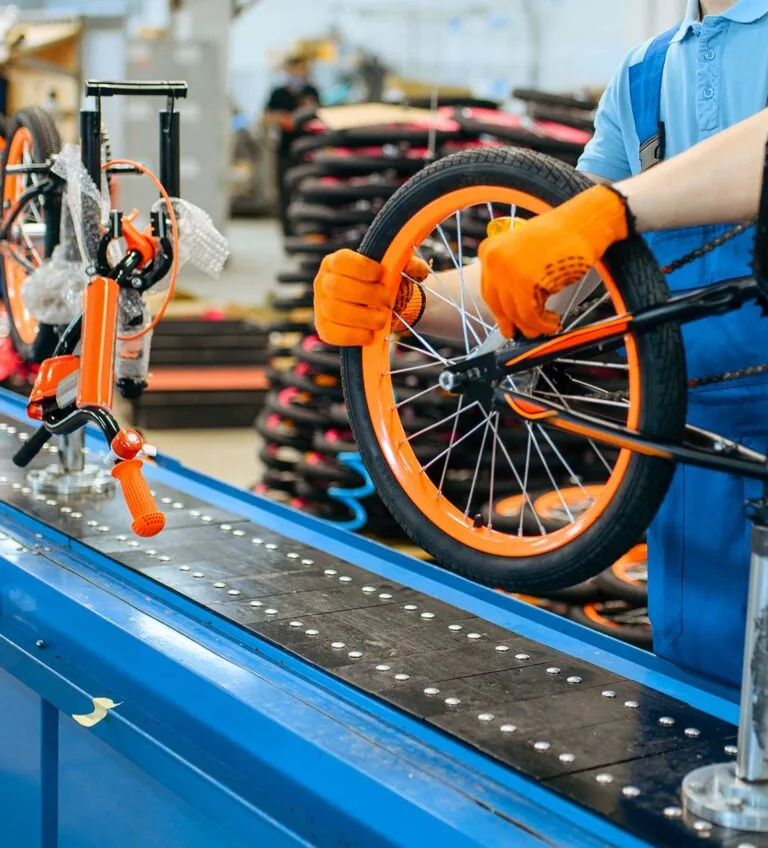
Hongtu Future describes its production facility as covering mold development, frame production, assembly, product testing, and quality inspection. Buyers can review the company’s manufacturing background and factory capabilities when comparing supplier resources.
Approve a Physical Sample
A production sample should be tested before a bulk order.
The approved sample should document:
- Motor model
- Configuration de la batterie
- Solar components
- Contrôleur
- Chargeur
- Pneus
- Freins
- Lumières
- Tableau de bord
- Câblage
- Seats
- Body colors
- Labels
- Logo placement
- Accessoires
- Emballage
Verify Quality Control
Vehicle inspections should cover component identity, electrical operation, battery performance, braking, lights, road testing, assembly quality, and packaging.
The internal article How Quality Manufacturing Improves Electric Bike Business Success provides additional information about standardized production, battery testing, motor testing, and final inspection.
OEM and ODM Solar Tuk Tuk Projects
A Solar Tuk Tuk can be customized for passenger fleets, tourism brands, distributors, resorts, local transport operators, and project procurement.
Exterior Branding
Customization may include:
- Logo placement
- Body colors
- Roof graphics
- Tourism branding
- Numéros de flotte
- Reflective markings
- Passenger information labels
Branding materials should withstand sunlight, rain, cleaning products, and temperature changes.
Configuration électrique
Battery, motor, controller, charger, lighting, dashboard, and solar components may require adjustment for the destination market.
Every change should be checked for electrical compatibility and regulatory impact.
Passenger Layout
Seat materials, passenger capacity, handrails, entry steps, weather protection, storage, and interior lighting may be adapted to the application.
A tourism vehicle may prioritize visibility and appearance, while a community vehicle may prioritize easy access and low-speed control.
Packaging and Documentation
Export buyers may require custom cartons, wooden frames, protective film, labels, user manuals, maintenance documents, and spare-parts lists.
Hongtu Future OEM and ODM service page outlines support for product configuration, branding, packaging, and market-oriented customization.
The related article La fabrication OEM aide les marques à développer des avantages concurrentiels à long terme sur le marché can support additional keyword coverage around private-label electric vehicles and customized mobility products.
Safety and Regulatory Requirements
A Solar Tuk Tuk must comply with the rules of the destination market.
The presence of a solar panel does not change the need to evaluate vehicle classification, registration, road approval, passenger permits, speed restrictions, insurance, and driver licensing.
Vehicle Classification
Depending on the country, the vehicle may be classified as:
- Electric tricycle
- Motorcycle
- Auto rickshaw
- Low-speed vehicle
- Neighborhood vehicle
- Passenger transport vehicle
- Commercial taxi
- Private-site vehicle
The classification affects certification, lighting, braking, identification, registration, and operating permissions.
Solar Roof Structure
The panel and mounting frame must withstand vibration, wind, rain, repeated movement, and normal road shocks.
Mounting components should not create sharp edges, interfere with passenger access, or weaken the vehicle roof.
Electrical Protection
The solar wiring should include appropriate insulation, routing, connectors, fuses, and protection against water, abrasion, heat, and accidental damage.
Cables should not be positioned where passengers, luggage, moving components, or maintenance tools can damage them.
Battery Safety
Buyers should review:
- Battery enclosure
- Fuse protection
- Temperature protection
- Overcharge protection
- Over-discharge protection
- Short-circuit protection
- Charger compatibility
- Connector quality
- Water resistance
- Transport documentation
Local Approval
Compliance should be confirmed before mass production.
A vehicle that performs correctly in a factory test may still be unsuitable for public-road registration in the destination country.
Common Solar Tuk Tuk Buying Mistakes
Assuming Solar Replaces Plug-In Charging
A compact roof limits the available panel area.
Solar energy can be useful, but buyers should calculate whether it can support the actual daily energy requirement.
Comparing Only Panel Wattage
Panel wattage does not explain controller efficiency, battery compatibility, shading losses, or real daily energy production.
The complete solar charging system must be evaluated.
Ignorer le poids du véhicule
Panels, mounting frames, batteries, passengers, and accessories add weight.
Additional weight affects acceleration, hill climbing, braking, tire loading, and energy consumption.
Choosing the Largest Battery Automatically
A larger battery can provide more stored energy, but it also adds weight, charging time, and acquisition cost.
Battery capacity should match the route instead of being selected only because it is the largest option.
Using Supplier Range Claims Without Test Conditions
Range figures are meaningful only when payload, speed, route, temperature, battery, and test method are stated.
A loaded local test is the best way to confirm suitability.
Forgetting Spare Parts
Solar controllers, connectors, panels, chargers, displays, drive controllers, switches, brakes, and tires should be included in the spare-parts plan.
Commercial vehicles should not remain out of service because a small component is unavailable.
Solar Tuk Tuk Procurement Checklist
Before approving a sample or order, confirm:
- Destination country
- Vehicle classification
- Intended application
- Passenger capacity
- Maximum payload
- Daily distance
- Longest continuous route
- Road gradient
- Surface routière
- Operating speed
- Climate
- Average sunlight conditions
- Outdoor parking time
- Motor rated power
- Contrôleur actuel
- Tension batterie
- Battery amp-hour capacity
- Chimie de la batterie
- Solar panel rated power
- Solar controller type
- Measured solar output
- Plug-in charging time
- Charger input voltage
- Système de freinage
- Taille des pneus
- Suspension
- Éclairage
- Tableau de bord
- Imperméabilisation
- Solar-panel mounting
- Spare-parts package
- Garantie
- Certification
- Battery transport documents
- Emballage
- OEM branding
- Sample testing
- Pre-shipment inspection
Buyers planning a wider electric mobility portfolio can compare Solar Tuk Tuk models with the complete Hongtu Future electric vehicle range, including passenger tricycles, electric cargo scooters, lifestyle e-bikes, and retro electric scooters.
Conclusion
A Solar Tuk Tuk can offer practical value when it operates outdoors, receives sufficient sunlight, follows moderate routes, and has a professionally integrated photovoltaic system.
Its main advantage is not unlimited solar-powered driving. Its advantage is the ability to supplement battery charging, reduce part of the external charging demand, and provide a recognizable renewable-energy feature.
A standard Electric Tuk Tuk may remain the better option for continuous high-mileage fleets, indoor operation, nighttime routes, cloudy environments, and businesses with dependable depot charging.
The final decision should consider:
- Measured solar energy
- Capacité de la batterie
- Vehicle consumption
- Passenger load
- Route gradient
- Charging availability
- Climate
- Maintenance capability
- Spare-parts supply
- Regulatory approval
- Total operating cost
The growth of solar photovoltaic generation and electric mobility is creating new opportunities for integrated transportation solutions. The International Energy Agency expects solar PV to remain a major source of global electricity-supply growth, while electric vehicle adoption continues to increase electricity demand. (iea.org)
For distributors, tourism operators, resorts, and private-label brands, the best Solar Tuk Tuk is the one supported by verifiable performance data, suitable components, controlled manufacturing, market-specific customization, and dependable after-sales service.
FAQ
Can a Solar Tuk Tuk run entirely on solar power?
It depends on vehicle energy consumption, panel size, sunlight, battery capacity, speed, load, and route conditions. Most compact solar-assisted passenger tricycles should still maintain access to conventional battery charging.
Does a solar panel increase tuk tuk range?
It can add energy to the battery and support additional distance. The actual improvement depends on panel output, sunlight exposure, system efficiency, vehicle consumption, and how long the vehicle remains outdoors.
How long does it take to charge a Solar Tuk Tuk?
Plug-in charging time depends on battery capacity and charger output. Solar charging time varies more widely because sunlight changes throughout the day and across seasons.
Is a Solar Tuk Tuk suitable for cloudy countries?
It can still generate electricity under diffuse sunlight, but production may be significantly lower. Buyers should examine annual local solar conditions and maintain a reliable plug-in charging plan.
Is a Solar Tuk Tuk good for tourism?
It can be suitable for sightseeing routes, resorts, parks, ecological destinations, and branded visitor transport. Route length, passenger comfort, hill performance, weather protection, and local operating rules must still be evaluated.
What battery is best for a solar-powered tuk tuk?
The correct battery depends on route, load, charging schedule, climate, replacement supply, and project budget. Lithium batteries offer lower weight and higher energy density, while lead-acid batteries may be easier to replace in some markets.
Can solar panels charge the vehicle while it is moving?
Some systems are designed to supply solar energy while the vehicle is moving. The contribution varies continuously according to sunlight, shading, panel orientation, and power demand.
How should I compare two Solar Tuk Tuk suppliers?
Compare the same battery, motor, controller, panel output, solar controller, payload, brakes, tires, dimensions, accessories, warranty, spare parts, and testing conditions. Do not compare quotations based only on product photos.
What solar data should a manufacturer provide?
Request panel power, cell type, controller specification, charging voltage, current, measured daily output, weather conditions, test duration, battery state, route, payload, and expected energy contribution.
Can a Solar Tuk Tuk be customized?
OEM manufacturers may support logo placement, colors, seats, battery options, motor systems, dashboards, lights, packaging, manuals, and other market-specific features. Any modification should be checked for technical and regulatory compatibility.
Is solar charging useful when the vehicle is parked?
Yes. Outdoor parking can provide additional charging time when sunlight is available. Parking location, shading, panel direction, weather, and battery state affect the result.
What is the biggest risk when importing a Solar Tuk Tuk?
The largest risk is purchasing from unverified performance claims. Buyers should confirm local compliance, approve a physical sample, conduct loaded route testing, inspect the solar system, and document the exact mass-production configuration.