Table of Contents
Retro electric scooter battery sizing should answer a practical buying question: how should buyers size battery energy for the actual duty cycle? This guide applies that question to Big Harley cruiser-style electric scooter. It connects the published configuration with seated cruiser-style travel with a distinctive exterior, so a distributor, importer or fleet buyer can ask for the evidence needed before approving a sample or repeat order.
Retro electric scooter: Work backward from the service day
Battery sizing for retro electric scooter starts with the work the retro electric scooter must finish between approved charging opportunities. List each route leg, the expected load, the number of stops and the longest period away from the depot. Separate an ordinary day from a demanding day. A vehicle selected only for the average journey can become inconvenient when an extra collection, a detour or a missed charging window uses the reserve. Ask the operator which failure matters most: returning early, missing a delivery, or needing a second vehicle. That answer establishes the useful energy target before a battery option is chosen.
Keep route distance and energy consumption in separate columns. A kilometer on a flat uninterrupted route does not represent the same work as a kilometer of repeated loaded starts. For retro electric scooter, record whether the rider contributes pedal effort or relies primarily on the motor. Add wind, surface condition and accessory use to the log. These are test conditions, not excuses to attach an unverified multiplier to a brochure figure.
Compare watt-hours and compatible configurations
Nominal battery energy is approximately nominal voltage multiplied by rated amp-hours. For illustration, a hypothetical 48 V, 20 Ah pack contains 960 Wh of nominal energy. That arithmetic does not establish usable energy, road legality, battery life or travel distance. Cutoff settings, discharge conditions, temperature and the matched drive system affect what the retro electric scooter can use. Compare retro electric scooter battery options using the same basis and request the battery designation, charger designation, connector and protection-system information for each option.
Do not treat an advertised voltage range as permission to interchange packs. Changing voltage can affect the controller, charger, lighting, instrument and protective devices. A larger enclosure can also alter mounting clearance and weight distribution. The supplier should identify the exact approved combination and the physical mounting arrangement. Keep battery revisions tied to the retro electric scooter configuration so a reorder does not silently receive a different electrical package.
Set a reserve using observed consumption
A useful planning calculation is required usable energy equals measured energy per kilometer multiplied by planned distance, plus a separately stated operating reserve. Suppose a hypothetical trial records 18 Wh/km over a 30 km duty cycle. The observed route demand is 540 Wh before reserve. This example is a calculation method, not a performance claim for retro electric scooter. Repeat the measurement under the heaviest intended operating condition and use the less favorable valid result when setting the purchasing target.
Record both the starting state and the ending state, the energy measurement method and any charging during the trial. A dashboard percentage alone may be too coarse for comparing similar options. Agree how much remaining capacity is required at handover to the next shift. Approve the battery only when the defined duty cycle finishes with that reserve and no unexplained protective cutoff. A failed trial should trigger a configuration review rather than a promise that the next operator will ride more gently.

Big Harley retro electric scooter: published configuration
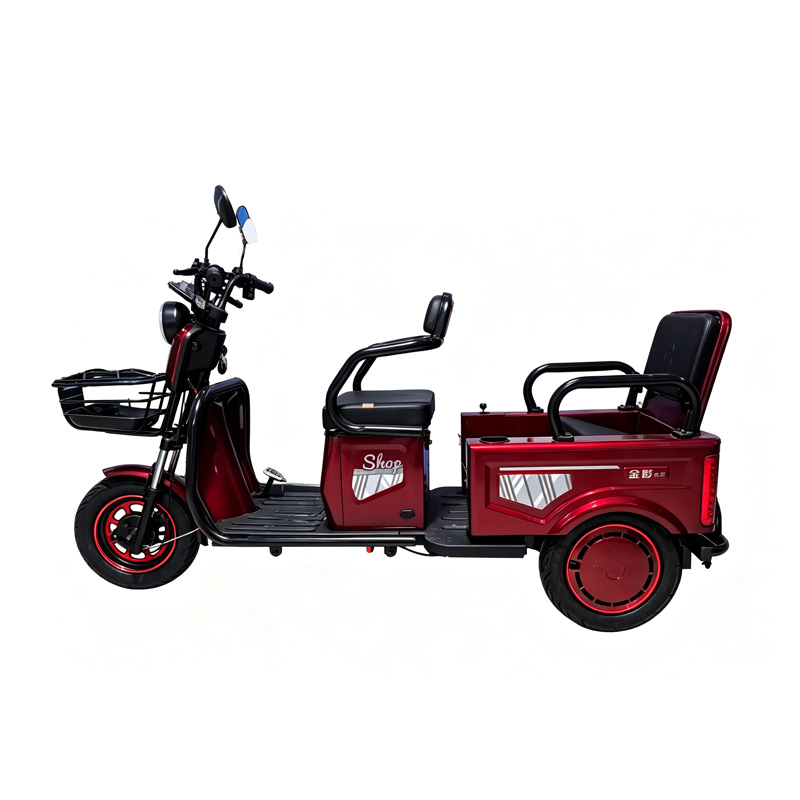
For retro electric scooter, use a configuration-specific starting point. The standard Big Harley page lists a 1200 W motor, a 60 V 30 Ah lithium battery, front and rear hydraulic disc brakes, wide tubeless tires, keyless start, three-speed adjustment and reverse gear. The 60 V and 30 Ah figures imply 1,800 Wh of nominal battery energy. Published speed and summer-range figures require their stated conditions and are not universal operating promises.
Compare these published details with the selected sample on the Big Harley cruiser-style electric scooter product page. The product name is a style description. No affiliation with another motorcycle brand or permission for unrestricted road use is implied.
Charger Matching for retro electric scooter: specify the charger as part of the vehicle
Treat the charger as a controlled component of retro electric scooter, with its own model reference and revision. The purchase specification should identify the battery chemistry, nominal pack voltage, required charge profile and the approved charger output. A physically compatible plug is not sufficient evidence of an electrically compatible system. Two connectors can look alike while their polarity, communication pins or intended voltage differ. Ask the supplier to identify the approved combination in writing and keep the charger label visible in the sample approval photographs.
If a project uses more than one battery option, create a separate row for every vehicle, pack and charger combination. Include the destination mains input and plug arrangement. Do not allow a warehouse to substitute an available charger because its connector fits. For retro electric scooter, a substitution should go through the same compatibility review as a battery change, with updated instructions and packaging labels where necessary.
Range Test Protocol for retro electric scooter: keep comparisons equivalent
When comparing options, use the same route and loading basis wherever practical. Record tires and pressure, battery option, controller setting and any accessory that affects energy demand. A different rider contribution can materially change a pedal-assisted vehicle’s result, so describe the riding method. If the conditions cannot be matched, present the results as separate observations rather than ranking the vehicles by raw distance.
For retro electric scooter, include the data needed to explain a poor or unusually strong result. Note detours, wind changes, extra stops and warnings. A range test that ends early is still useful if it identifies a configuration mismatch. Repeating the same route under defined conditions is more informative than collecting several unrelated brochure figures. Do not extrapolate one trial into a guaranteed distance for all users or seasons.
Configuration Change Control for retro electric scooter: keep the fleet’s versions traceable
After approval, assign the new configuration a clear revision and identify the units that receive it. Update the component list, service references and relevant handover documents. Keep historical records for vehicles already supplied. If the change is not approved, ask for an alternative proposal or a revised delivery plan instead of allowing production ambiguity to remain open.
For retro electric scooter, change control protects repeatability across shipments. Dealers and service teams should be able to identify which version is in front of them and obtain the correct part. Review any customer-facing statement affected by the change. An accepted substitution is a documented engineering and commercial decision, not an informal assurance that the replacement is “equivalent.”

Apply battery sizing to the Big Harley retro electric scooter
Apply the battery sizing review to this operating sequence: a seated rider maneuvers out of storage, completes short trips and parks between journeys. For retro electric scooter, record daily distance, loaded starts, charging access and reserve energy before the trial. Keep the selected battery, charger, accessories and loading arrangement fixed in the record so an observation can be traced to the configuration that produced it. If an option changes during the trial, mark the change and repeat the checks that it affects.
The physical review should pay particular attention to wide-tire steering space, the seat arrangement and stand clearance. The service review should cover hydraulic brakes, tubeless tires, parking controls and the approved 60 V charger pairing. These are separate questions: enough space to operate does not establish enough access to maintain the vehicle. Ask the evaluator to identify the difficult step, record its conditions and explain what evidence would close the concern. Avoid approving an entire application from one favorable observation.
For this retro electric scooter application, the decision record should contain a configuration-specific energy log. A reason to hold approval is a distance claim with no rider mass, route or assistance setting. State the unresolved item, the party responsible for answering it and the verification required. Passenger use and public-road access require confirmation for the actual destination and approved configuration.
Compare retro electric scooter evidence before acceptance
| Decision point | Evidence to request | Hold the decision when |
|---|---|---|
| Application boundary | seated cruiser-style travel with a distinctive exterior | The quoted configuration does not match the intended job |
| Battery Sizing | a configuration-specific energy log | a distance claim with no rider mass, route or assistance setting |
| Physical fit | wide-tire steering space, the seat arrangement and stand clearance | The route or accessory envelope has not been checked |
| Service support | hydraulic brakes, tubeless tires, parking controls and the approved 60 V charger pairing | The installed version or replacement reference is unclear |
| Release record | Approved specification, findings and a named release decision | A substitution or unresolved finding remains undocumented |
Use the table to compare complete retro electric scooter proposals on the same basis. Mark each item confirmed, open or requiring another check. Keep commercial assumptions separate from technical evidence. A lower quotation can be evaluated fairly only when the battery, charger, accessories, packing and support scope are understood. Ask for written clarification of an omitted field rather than assigning it a favorable default.
Prepare the retro electric scooter sample request and release record
The standard Big Harley configuration includes reverse gear, a P parking function and multiple speed settings. Ask the supplier to demonstrate the intended control sequence and document it in the delivered instructions. The buyer should know how these functions interact during ordinary parking and departure, rather than inferring their behavior from a control label. Include a low-speed maneuver in the sample plan where it represents the customer’s actual storage or access task.
Keep the standard model distinct from the H1 exterior specification. The shared 1200 W and 60 V 30 Ah headline figures do not identify every body, handlebar or accessory part. For retro electric scooter, photograph the accepted seat, backrest, controls, lights and finish, and attach that visual record to the quotation. If a dealer uses a cruiser-style image in marketing, the image should show the supplied option. Confirm the intended passenger arrangement and destination requirements directly rather than assuming that a long seat establishes the permitted use.
The battery sizing request for Big Harley should specify daily distance, loaded starts, charging access and reserve energy. Ask for a configuration-specific energy log, identify the test or review conditions and keep the accepted configuration with the order. Hold the purchasing decision if the proposal relies on a distance claim with no rider mass, route or assistance setting. Record the responsible evaluator and the evidence needed to close that specific gap.
Request a configuration-specific retro electric scooter proposal
For general terminology, consult the relevant Wikipedia reference. It provides background and does not certify this product or establish permission to operate it in a particular market.
Send your retro electric scooter application, required quantity, destination, proposed load or seating arrangement and battery sizing questions to Hongtu Future. Use the OEM and ODM customization service to discuss the approved configuration, branding, sample evaluation and support scope before placing an order.
Frequently Asked Questions About retro electric scooter
What should buyers confirm first about retro electric scooter battery sizing?
Start with daily distance, loaded starts, charging access and reserve energy. For Big Harley, match those inputs to the published configuration and the intended operating sequence. Keep any missing item open until the supplier or qualified evaluator confirms it.
Which Big Harley facts are relevant to this retro electric scooter review?
The standard Big Harley page lists a 1200 W motor, a 60 V 30 Ah lithium battery, front and rear hydraulic disc brakes, wide tubeless tires, keyless start, three-speed adjustment and reverse gear. Confirm the ordered option and the actual sample before using those details in a purchasing decision.
What evidence should support a retro electric scooter sample approval?
Request a configuration-specific energy log. The record should identify the configuration, conditions, observations and acceptance decision. A product photograph or a favorable short demonstration does not answer every operating question.
Can a retro electric scooter component be substituted after approval?
Ask for the proposed part reference, affected interfaces and compatibility evidence. For Big Harley, review the checks and documents affected by the change and record approval before production. Similar headline specifications do not prove equivalence.
What should be included in a retro electric scooter quotation request?
Name Big Harley, the battery sizing decision, destination, quantity, selected battery, charger, accessories and support needs. Ask for written exclusions and a configuration-specific proposal rather than assuming a standard commercial term.